nivasnanicreations@gmail.com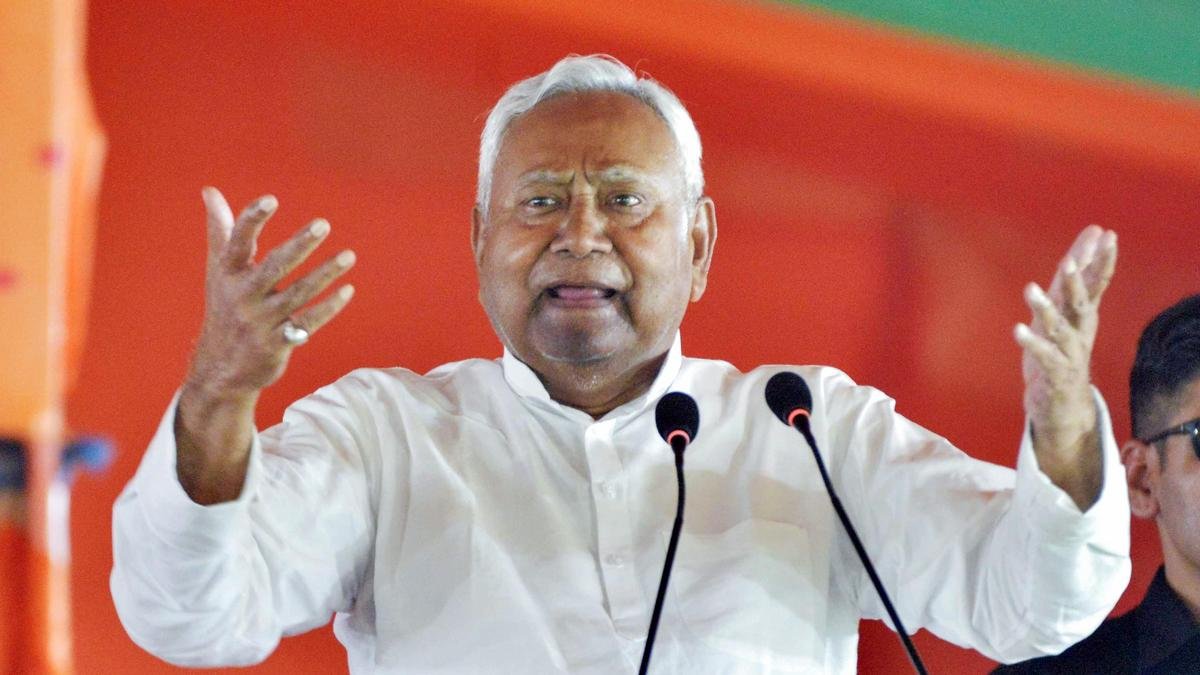
Introduction
The political landscape of Bihar witnessed another landmark moment as Nitish Kumar took oath as the Chief Minister for the tenth time, reinforcing his position as one of the most enduring and influential political leaders in modern Indian politics. The swearing-in ceremony, held at the historic Gandhi Maidan in Patna, became a symbol of continuity, alliance strength, and strategic political positioning ahead of key national and state electoral cycles. With top National Democratic Alliance (NDA) leaders, including Prime Minister Narendra Modi and Union Home Minister Amit Shah, in attendance, the event sent a strong message across the country about the unity and stability of the coalition in Bihar. Nitish Kumar is the 2025 Bihar CM
Nitish Kumar’s political journey has been anything but ordinary. Completing 19 years in power—including intermittent resignations, alliance shifts, and reappointments—he remains one of the longest-serving Chief Ministers in India’s political history. His leadership model, often described as “Sushasan” or good governance, continues to resonate with large sections of Bihar’s population. The most significant aspect of his latest oath-taking is not just the number of times he has been sworn in, but the political recalibration it represents at a time when Bihar stands at the crossroads of development and electoral preparedness.
A Legacy Built on Governance and Adaptability
Nitish Kumar’s political longevity can be attributed to two crucial factors: governance reforms and strategic adaptability. Since coming to power in 2005, he has introduced significant improvements in Bihar’s basic infrastructure, rural development, school enrollment, women empowerment, and law-and-order. Initiatives like cycle yojana for girls, reservation for women in Panchayati elections, and investments in roads and public works continue to be his strongest legacy pillars.
His return for the tenth term raises key questions:
- How will Nitish continue his governance model?
- Will he introduce new policies to tackle unemployment and migration?
- Can he maintain political consistency in this term?
These are questions political observers are already analyzing deeply.
NDA Unity on Display
The presence of senior leaders from the BJP and other NDA allies at the ceremony underscored the political message the alliance intended to send. With PM Modi (https://www.pmindia.gov.in) and Amit Shah (https://www.mha.gov.in) sharing the stage with Nitish Kumar. The optics reaffirmed a strong and cooperative relationship between Bihar’s state leadership and the central government. At a time when national political dynamics often revolve around coalition management, Bihar’s NDA displayed a solidity that could positively influence upcoming Lok Sabha and Assembly elections.
The BJP, recognizing Nitish Kumar’s mass appeal and administrative credibility, continues to position him as the guiding force of the coalition in Bihar. Their alliance sustains a vote bank combination that includes upper castes, OBCs, EBCs, women, and youth.
Cabinet Formation: The Next Big Step
With the swearing-in completed, the next crucial step is the formation of the state cabinet. Bihar watchers expect a balanced distribution of portfolios between JD(U), BJP, and other alliance partners. Crucial ministries such as Home, Education, Health, Rural Development, and Road Construction will be closely watched.
Some expected focus areas include:
- Increasing job opportunities through MSME growth.
- Strengthening the education sector.
- Reforming government recruitment processes.
- Improving health system efficiency post-pandemic.
- Accelerating infrastructure projects already in progress.
By forming a stable and representative cabinet, Nitish aims to reassure the public that governance remains the top priority.
How the New Term May Shape Bihar’s Development
Bihar continues to struggle with issues like unemployment, migration of youth to other states, and limitations in industrial growth. Nitish Kumar’s new term may focus on:
- Employment Generation:
Boosting private investment, promoting start-ups, and creating skill development centers will be crucial. - Infrastructure Expansion:
Projects under the Bihar State Road Development Corporation (https://bsrdcl.bihar.gov.in) and rural electrification will likely be accelerated. - Women Empowerment:
Nitish has consistently emphasized women’s development; new schemes offering financial support, entrepreneurship programs, and safety provisions are expected. - Social Welfare:
Housing assistance, food security, and scholarships may see an expansion under welfare schemes managed by the Bihar government (https://state.bihar.gov.in).
Political Implications Beyond Bihar
Nitish Kumar’s oath ceremony has national significance. As one of the tallest regional leaders in India. This continued leadership affects political calculations in the 2026 Bihar Assembly polls and the 2029 Lok Sabha elections. His experience, administrative record, and electoral influence ensure he remains a key political figure.
Political analysts believe this term may define his political legacy:
- Will he continue beyond this term?
- Will Bihar see a shift in political leadership?
- How will his relationship with central leadership evolve?
These factors will shape the political storyline of Bihar for years to come.
Conclusion
Nitish Kumar taking oath as Bihar’s Chief Minister for the tenth time is much more than a routine political event—it is a reaffirmation of leadership, stability, and governance. With strong NDA backing, a committed voter base, and a clear administrative vision, Nitish begins another chapter in his long political journey. Whether this term brings transformative reforms or continues steady progress remains to be seen, but one thing is certain: Bihar’s political future will once again revolve around Nitish Kumar’s leadership.