nivasnanicreations@gmail.com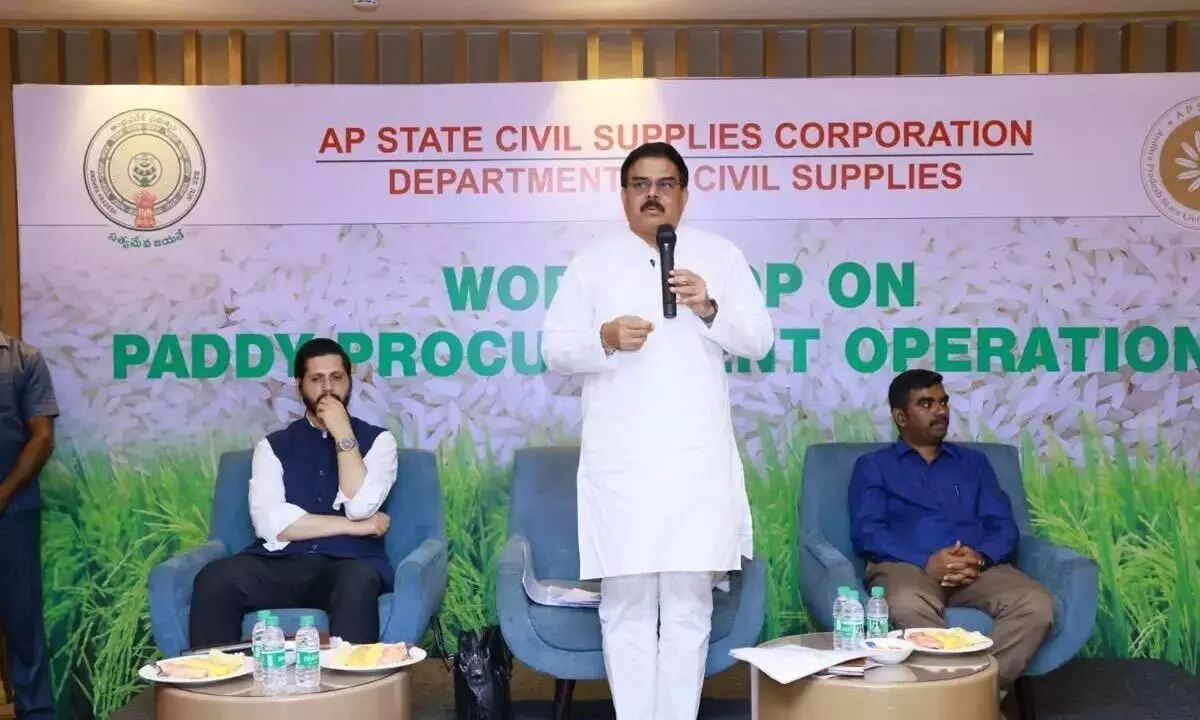
Introduction
The Andhra Pradesh government recently introduced an innovative digital initiative to improve paddy procurement: a WhatsApp-based booking system that allows farmers to schedule procurement slots without physically visiting government centres. Despite high expectations, the initiative witnessed an unexpectedly low turnout, with only 636 farmers registering across the entire state during the Kharif 2025–26 season.
This surprising response has raised important questions about the readiness of Andhra’s rural farming communities to adopt digital tools. According to the detailed report by The Times of India, APSCSCL (AP State Civil Supplies Corporation Limited) officials expected thousands of farmers to enroll but were met with slow adoption and noticeable hesitation.
🔗 Source: Times of India
The Objective Behind the WhatsApp Booking Initiative
The WhatsApp-based paddy booking system was introduced to bring:
- Greater efficiency to procurement operations
- Reduced waiting time for farmers
- Less crowding at purchase centres
- Transparency in the procurement schedule
- Digital documentation and traceability
This system was expected to be a game-changer, especially in agricultural districts like East Godavari, West Godavari, Krishna, Guntur, and Nellore — areas known for large-scale paddy production.
Farmers could simply send a WhatsApp message to the designated number, select a procurement centre, and book a time slot for selling their paddy. On paper, the idea seemed modern, simple, and farmer-friendly — but real-world challenges prevented widespread adoption.
Why Did Farmers Not Adopt the System?
Despite the convenience offered, several factors contributed to the lukewarm response:
1. Digital Illiteracy Still a Major Barrier
A vast number of small and marginal farmers in AP are still not comfortable using digital platforms. Even though WhatsApp is widely used for communication, using it for transactional activities creates hesitation.
2. Lack of Awareness and On-Ground Promotion
Many farmers reported they were not aware of the booking system at all. Awareness drives, officials’ village visits, or promotional campaigns were insufficient in some regions.
3. Preference for Traditional Procurement System
Farmers are used to the conventional method: bringing paddy to the procurement centre, waiting in line, and selling directly. The new system introduced an unfamiliar digital step, causing distrust.
4. Concerns About Delayed Payments
Some farmers feared that using a new digital booking system might delay payment credit or create technical complications.
5. Limited Smartphone Access in Rural Andhra
Especially among older farmers, smartphone ownership or digital literacy is limited. Even when smartphones are available, many farmers do not manage their own devices — which limits real-time usage.
Agricultural Officers Now Pushing for Local Awareness
District-level agricultural officials have now stepped in to improve outreach. Across AP, officers have been instructed to:
- Visit villages
- Explain the booking process
- Conduct demonstrations
- Help farmers register on the spot
- Address myths related to digital payments
Officials revealed that with Kharif procurement beginning across the state, improving systems early will help prevent crowding and ensure smooth procurement in peak seasons.
Should Digital Agriculture Depend Only on WhatsApp?
The initiative highlights a deeper conversation: Is Andhra Pradesh ready for digital-only agriculture solutions?
While apps and WhatsApp bots are convenient for urban citizens, rural India requires more flexible approaches:
- Helpline-based booking
- Village-level volunteer assistance
- Real-time kiosk booking
- Offline–online hybrid models
Digital agriculture must evolve at the pace of its target users — farmers.
Lessons for Future Digital Schemes in AP
This experience offers valuable insights for future government initiatives:
1. Grassroot-Level Training is Crucial
Before launching digital tools, farmers need hands-on guidance through Rythu Bharosa Kendras, village volunteers, and agricultural extension staff.
2. Communication Must Be Rural-Focused
Local language videos, door-to-door awareness, and demonstrations must accompany every rollout.
3. Hybrid Models Work Best
Allowing both offline and online booking ensures no farmer is left out.
4. Building Trust Takes Time
Farmers need to trust that digital systems will not delay their payments or crop procurement.
5. Involving Farmer Groups
Encouraging Farmer Producer Organizations (FPOs), Rythu Sangams, and local committees can improve adoption drastically.
What This Means for Andhra Pradesh’s Farming Future
The lukewarm response does not mean the initiative failed — it means Andhra Pradesh’s digital agriculture journey is still evolving.
As AP is one of India’s largest rice-producing states, modernizing procurement is essential. Digital booking systems, when implemented with proper training and awareness, can reduce:
- Long queues
- Middlemen interference
- Seasonal chaos
- Delayed procurement schedules
With continuous improvement, digital platforms can transform how the farming economy functions — but only when they are tailored to the needs and comfort levels of the farmers.
Conclusion
The WhatsApp-based paddy procurement booking system launched with high hopes but received a modest response due to gaps in awareness, digital literacy, and farmer trust. With agricultural officers now intensifying on-ground awareness and support, adoption is expected to increase gradually.