nivasnanicreations@gmail.com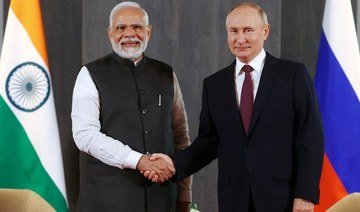
Introduction
India and Russia are preparing for a major diplomatic and technological milestone as both nations work towards deploying mutual ground stations for their satellite navigation systems — India’s NavIC and Russia’s GLONASS. This strategic advancement, expected to be finalized before Russian President Vladimir Putin’s scheduled visit to India in December 2025, signals a deeper phase of defence and technological collaboration. According to a report by the Times of India, both nations have already initiated “work on the ground” to integrate and support each other’s navigation capabilities. Russia President Puthin Visit’s india in December
🔗 Source: Times of India
What the Navigation Partnership Means for India
India’s indigenous navigation system, NavIC, has grown significantly in recent years and is increasingly being adopted across critical sectors such as transportation, disaster management, telecom, and defence. The deployment of Russian GLONASS ground stations within India will further enhance:
- Accuracy and precision of satellite signals
- Cross-compatibility with Russian navigation
- Reliability for military operations
- Support for civilian commercial applications
This collaboration also strengthens India’s long-term goal of reducing dependence on Western satellite systems such as GPS.
Meanwhile, India may allow Russian NavIC monitoring stations on its territory — a major step in globalizing NavIC for international partnerships.
Russia’s Offer of Su-57 Stealth Fighter Technology
In addition to navigation cooperation, Russia has reportedly offered India full technology access for the Su-57 fifth-generation stealth fighter jet. This is a significant development, especially after India exited the earlier FGFA (Fifth Generation Fighter Aircraft) program in 2018.
The NDTV report suggests that Moscow is willing to transfer complete fighter jet technology — something it has not offered to any other nation.
🔗 Source: NDTV Report
If the deal progresses, it could reshape India’s air combat capabilities by enhancing:
- Stealth technology
- Radar-evading capabilities
- Advanced avionics
- Long-range targeting systems
Such an acquisition would bring India closer to global leaders in next-generation fighter aircraft development, including the U.S., China, and Russia.
Impact on India’s Strategic Autonomy
India has always maintained a careful balance in its global defence relationships. It purchases from the U.S., Russia, France, and Israel — without leaning fully toward any single bloc.
However, this renewed India-Russia partnership shows:
- A reaffirmation of trust between New Delhi and Moscow
- Support for India’s independent foreign policy
- Reduced vulnerability to Western sanctions or supply chain disruptions
- Strengthening of India’s indigenous manufacturing capabilities through technology transfers
As geopolitical tensions rise globally — from Europe to the Indo-Pacific — this collaboration provides India with a strategic advantage.
Why Russia Is Deepening Ties with India Now
Several factors explain Moscow’s keener outreach:
- Shifting global power dynamics mean Russia wants reliable allies in Asia.
- India’s rising global influence makes it an essential strategic partner.
- Reduced Western engagement with Russia pushes Moscow toward alternative defence partnerships.
- Long standing India-Russia relations, especially in defence and nuclear energy, continue to be strong.
Putin’s upcoming visit is expected to finalize several key agreements, reflecting the mutual benefits for both nations.
Potential Deals Expected During Putin’s Visit
Based on media reports and strategic discussions, the following deals may be signed during the December visit:
1. NavIC–GLONASS Linkage Agreement
- Full mutual deployment of ground stations
- Technical integration for enhanced signal precision
- Dual-use (civilian + military) applications
2. Su-57 Stealth Fighter Technology Agreement
- Technology transfer
- Possible joint production
- Long-term supply chain & maintenance partnership
3. Advanced Defence Systems Cooperation
Likely related to:
- Hypersonic technologies
- Air defence systems
- Submarine upgrades
- Missile system development
4. Space Exploration & Scientific Cooperation
India and Russia may also strengthen collaborations for:
- Future lunar missions
- International space research
- Satellite communication systems
What This Means for India’s Defence Future
If the Su-57 deal or similar advanced agreements proceed, India will gain a major boost in:
- Air combat superiority
- Stealth aircraft development
- Indigenous fighter manufacturing
- Defence export capabilities
The NavIC–GLONASS cooperation, meanwhile, can dramatically improve geo-positioning accuracy for both military and civilian operations, benefiting:
- Navigation companies
- Telecom networks
- Surveying and mapping sectors
- Disaster-response agencies
- India’s armed forces
This long-term technological foundation will shape India’s defence future for decades.
Conclusion
As both NavIC and GLONASS move toward deeper integration and the Su-57 technology offer remains on the table, India–Russia relations appear stronger than they have been in years. President Putin’s December 2025 visit is likely to be a turning point, potentially opening doors to new defence, space, and technology collaborations. Russia President Puthin Visit’s india in December