nivasnanicreations@gmail.com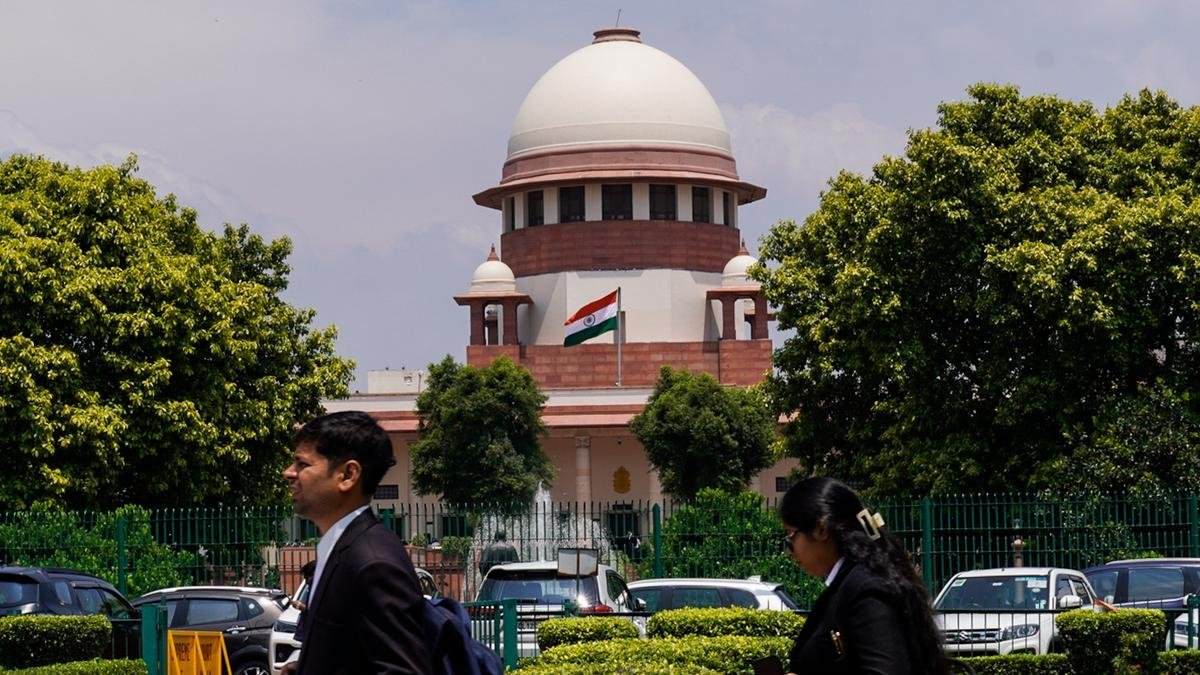
The Supreme Court of India’s hearing on the Election Commission of India’s (ECI) Special Intensive Revision (SIR) process on November 27, 2025, has sparked national attention. The SIR, an important mechanism used by the ECI to update, verify, and clean electoral rolls, came under judicial scrutiny after multiple petitions alleged inconsistencies, exclusion errors, and operational lapses.
The hearing is significant not only because it concerns the credibility of electoral rolls, but also because it touches upon deeper issues—voter rights, transparency, process integrity, and the accountability of constitutional institutions.
In this comprehensive analysis, we break down the background, the arguments presented, the Supreme Court’s observations, and the overall implications for India’s democratic system.
Background: What Is the Special Intensive Revision (SIR)?
The Election Commission periodically updates electoral rolls to ensure that every eligible voter is included and that outdated entries—such as duplicates, migrants, or deceased individuals—are removed. The Special Intensive Revision, launched in various states in 2025, aimed at correcting large-scale inaccuracies flagged in earlier statewide surveys.
However, soon after the process began, multiple civil society groups and political parties raised concerns, citing:
- Erroneous deletions
- Lack of door-to-door verification
- Inadequate public communication
- Discrepancies between on-ground data and ECI records
- Difficulty for citizens in filing claims and objections
These concerns eventually led to petitions that reached the Supreme Court.
For additional reference, you can learn more about the Election Commission’s functions here:
🔗 https://eci.gov.in/
Key Arguments Placed Before the Supreme Court
1. Petitioner Concerns Over Voter Exclusions
Petitioners argued that the SIR process resulted in a disproportionate deletion of names, especially among:
- Migrant workers
- Urban slum dwellers
- Senior citizens
- Tribal populations in remote regions
They claimed that the ECI did not adequately verify the identity of voters before removing them from the lists, which could adversely affect democratic participation during upcoming elections.
2. Lack of Ground-Level Verification
Many petitioners asserted that the ECI relied heavily on digital databases, instead of conducting mandatory door-to-door physical verification. They pointed out that technological tools are useful, but cannot replace personal verification—especially in areas where internet connectivity or documentation is weak.
3. Transparency and Publication Issues
Another concern was that draft rolls were not publicised widely, preventing citizens from checking and correcting their details. Petitioners demanded more accessible platforms and multilingual communication for wider reach.
ECI’s Defense Before the Court
The Election Commission maintained that:
- The SIR was carried out according to established legal norms.
- Local electoral officers followed “textbook procedures.”
- Digital tools improved efficiency and reduced human error.
- Adequate public notice was issued through newspapers, radio, and online channels.
- Citizens were given enough time to file claims and objections.
The ECI argued that isolated errors are inevitable in a nationwide exercise covering over 950 million voters, but systems exist to address them promptly.
Supreme Court’s Observations During the Hearing
The Supreme Court took a balanced view, acknowledging the scale and complexity of electoral roll management. However, it also raised important questions regarding:
1. Procedural Safeguards
The Bench asked whether the ECI implemented uniform guidelines across all states and districts. Variations in methodology could lead to inconsistent voter experiences.
2. Deleted Voter Categories
The Court sought a detailed breakdown of the categories and reasons for deletion, along with verification data to determine whether the removal process adhered to the Representation of the People Act, 1950.
3. Transparency Measures
The Supreme Court highlighted the importance of public confidence in the electoral process, stating that even a small percentage of wrongful deletions can undermine trust.
4. Accountability Mechanisms
The Bench asked if the ECI had issued internal audits or responsibility assessments in areas with high error rates.
The hearing ended with the Court directing the ECI to file an affidavit explaining the processes followed, steps taken to verify voter lists, and measures to rectify errors before final publication.
Why This Hearing Matters: Broader National Impact
1. Protecting Voter Rights
Clean and accurate voter rolls are the foundation of free and fair elections. Any systemic error can affect representation, especially for vulnerable populations.
2. Strengthening Public Trust
Judicial oversight ensures that the ECI operates with maximum transparency and accountability—vital for maintaining public confidence.
3. Digital vs Manual Verification Debate
The hearing reignites the national conversation on the use of technology in elections. While digital tools help with efficiency, they must be complemented by robust field verification.
4. Preparing for 2026 Lok Sabha Elections
With major elections approaching, the accuracy of electoral rolls will directly influence campaigning, logistics, and final results. The Court’s directions will shape how the ECI updates rolls going forward.
For reference on voter rights in India, you may explore:
🔗 https://legislative.gov.in/
Conclusion
The Supreme Court’s review of the ECI’s Special Intensive Revision marks a critical moment in India’s democratic journey. As the Court awaits detailed records from the ECI, the outcome will likely influence administrative reforms, transparency norms, and voter-centric processes.
The focus remains clear: ensuring every Indian citizen entitled to vote is able to participate without barriers or errors in electoral records.